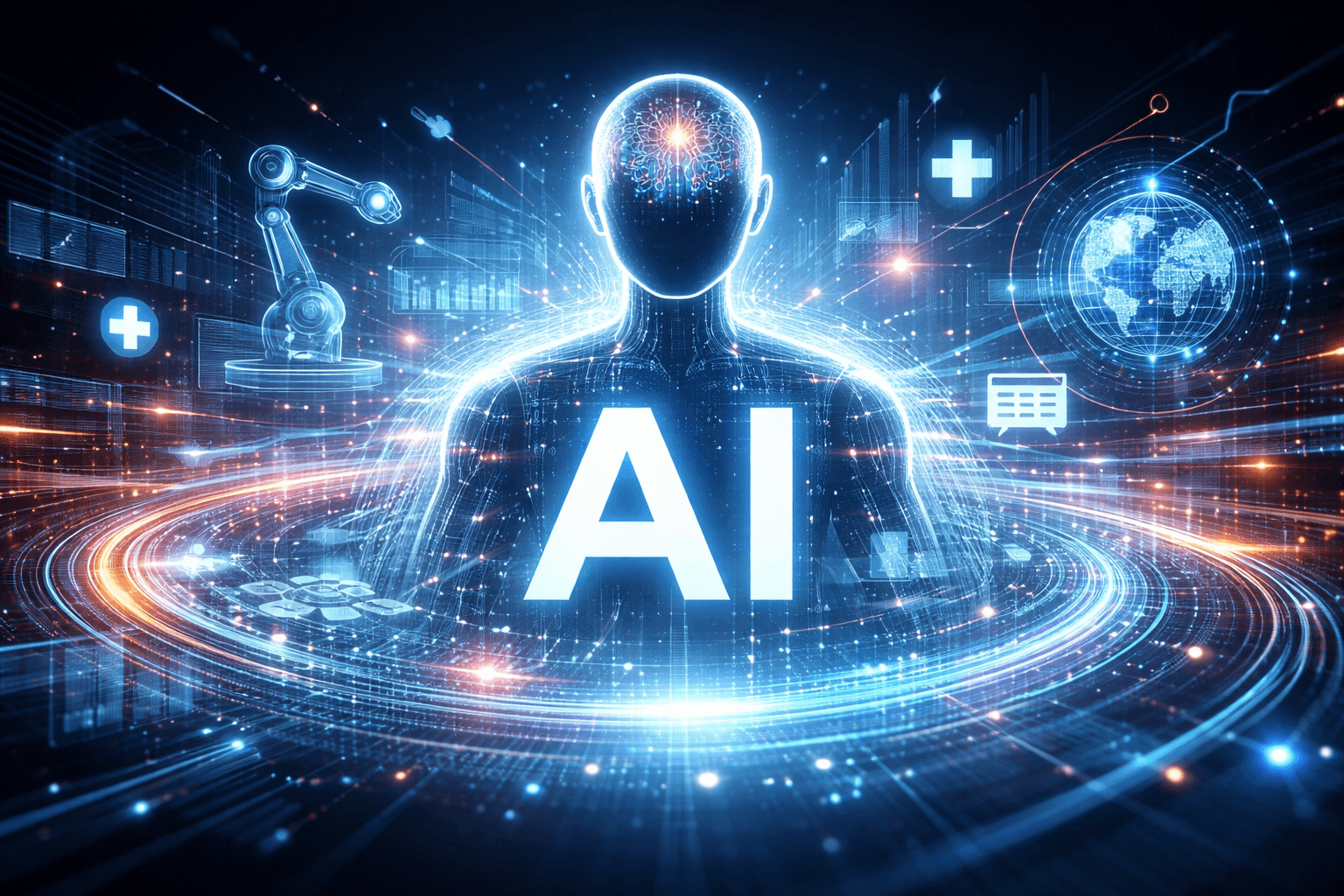
Artificial Intelligence (AI) is no longer a futuristic concept that can only be found in science fiction; rather, it has become a major driving force for change in all industries and societies around the world. In recent history, over the last decade or so, Artificial Intelligence has moved from a simple automation system to a highly advanced system with reasoning abilities, content creation capabilities, and complex decision-making abilities. This can be explained by the rapid advancements in computing technology and data availability. Today, Artificial Intelligence can be found in all facets of technology that people interact with on a daily basis, from their smartphones to search engines and healthcare services. The rate of innovation and development in this field is moving at a blistering pace and can be regarded as one of the most significant technologies of the 21st century. Today, businesses, governments, and individuals are all adapting to this new reality where Artificial Intelligence is playing a major role in augmenting human capabilities. Today, Artificial Intelligence is not only changing the way we live and work; it is also changing the way we think and create. The revolution is already here, and its impact can only be felt now.
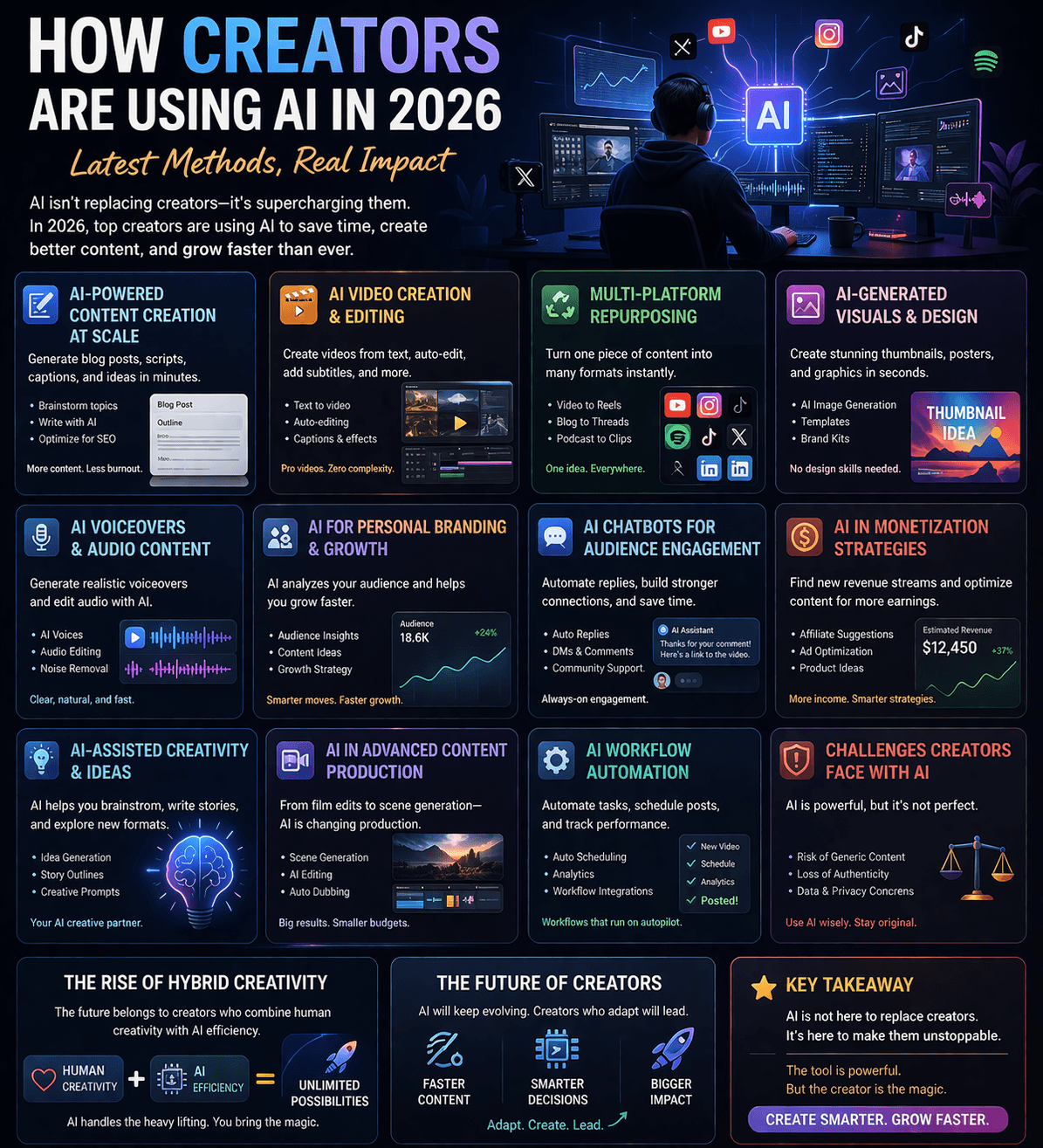
One of the most important developments in the field of AI is the emergence of new forms of generative AI that have the ability to create human-like texts, images, videos, and music. This has led to new opportunities in the field of creative arts, as AI tools have the ability to collaborate with artists, writers, and designers. The field of content creation has become much more efficient and easily accessible, which allows people to create high-quality content despite the lack of resources. However, this has also raised many questions regarding the originality, ownership, and authenticity of the work. The emergence of AI-generated content that is similar to the work created by humans has forced society to rethink the concept of being creative. The emergence of AI tools has empowered millions of people, which has put pressure on the existing industries to become more adaptive and innovative.
In the business world, AI has brought about unprecedented efficiency and productivity. This is because businesses have started to use AI to automate processes, gain insights from data, and obtain insights that could not be obtained before. This has helped businesses to be more strategic and less process-oriented. Additionally, AI has helped businesses to provide customers with a personal experience. This is because AI has helped businesses to create products and services that meet the individual needs of customers. This has helped businesses to create customer satisfaction. The use of AI in business operations is not a trend, but a necessity for businesses. This is because the market is changing, and businesses must adopt AI to be competitive.
Another industry where the impact of the advancements made in the field of AI is being felt is the healthcare industry. In the healthcare industry, the use of AI is being felt in the form of disease diagnosis, the prediction of the results of the disease on the patients, and the research activities being conducted to find cures for the diseases. These systems can analyze the medical images and give insights with a high degree of accuracy. This is not only helping the patients to get better treatment, but the workload is also being reduced on the doctors. The use of AI is also helping the pharmaceutical companies to discover drugs to treat the diseases, which is helping to reduce the time required to discover the drugs. The use of AI is also helping to deliver personalized treatment to the patients based on their genetic composition.
Education is being transformed through AI in ways that were previously unimaginable. Intelligent tutoring systems, personalized learning systems, and grading systems are all contributing to a better learning experience for students and educators alike. AI is capable of learning and adapting to different learning styles, which enables it to offer a more personalized learning experience to the student. This was previously impossible in a traditional education setup. In addition, AI is helping to make education more accessible. Education is no longer limited by geography or economic conditions. AI-based learning platforms have been able to reach students who were previously inaccessible. However, there are some issues being raised about the integration of AI in education. There is a security risk involved, and there is also the question of the human touch, which is a necessity in a holistic learning experience.
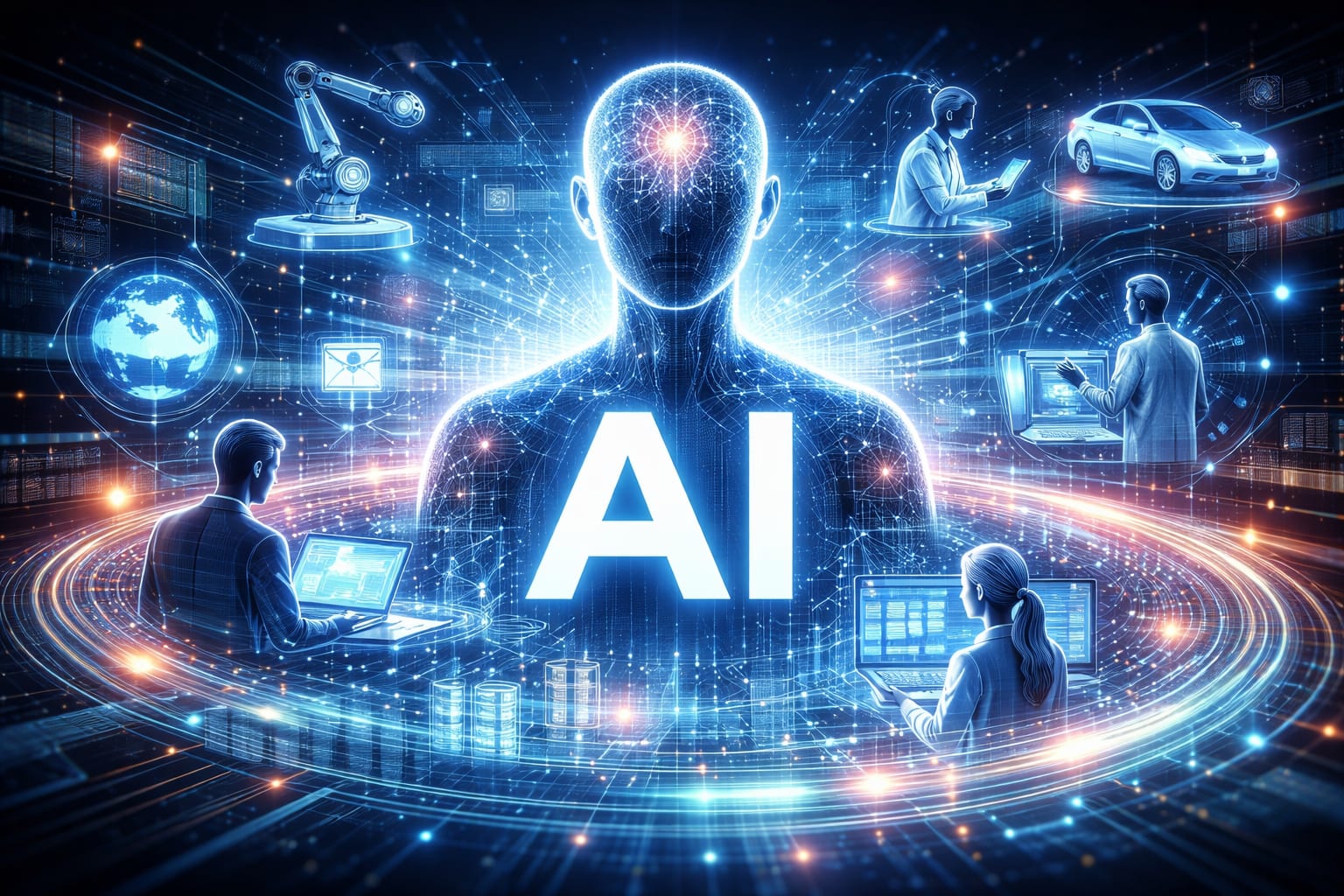
The impact of AI on the job market is a major area of debate. While it is true that AI is replacing a number of tasks, it is also creating a number of opportunities that require higher skills and knowledge. The nature of work is changing, and the emphasis is on creativity, critical thinking, and emotional intelligence. It is important for the workforce to learn how to adapt to the changing nature of work. In this context, the government and organizations have a major role to play. The AI revolution is not about replacing humans; it is about replacing the need for humans. By working alongside AI systems, individuals have the potential to reach higher levels of productivity and innovation. The only thing required is to prepare the workforce for the AI revolution.
Ethical issues are at the heart of the AI revolution. This is because AI technology poses a number of complex and challenging questions about fairness and justice. For example, AI technology can only be as good as the data on which it is trained. This poses a major challenge in hiring practices, law enforcement, and lending. The challenge of making AI technology fair and unbiased is a major one. This challenge can only be addressed through a collaborative effort by technologists and society. Another challenge with AI technology is that it lacks transparency. This means that it is difficult to know exactly how a decision was made. This is also a major challenge with AI technology. This challenge can also only be addressed through a collaborative effort by technologists and society. This challenge can only be addressed through a collaborative effort by technologists and society. This challenge can only be addressed through a collaborative effort by technologists and society.
In addition to the above, AI is also contributing to the resolution of global issues such as climate changes, food production, etc. For instance, through the analysis of enormous data, AI can help in the formulation of informed decisions to ensure the sustenance of the planet as well as its inhabitants. However, the effect of AI on the environment, i.e., the power consumption of the data centers, should also be considered. The balance between the positive contributions of AI to the sustenance of the environment and the negative effects of the power consumption of the data centers is another aspect of sustainable development. As we use the power of AI to resolve the problems of the world, we should also ensure the sustainable use of AI.
The fast development of AI technology is also affecting the geopolitical scene, as nations vie with each other to be the leaders in this revolutionary technology. As a result, governments around the world are pouring a lot of resources into the development of AI technology, realizing its potential. In the military sphere, the application of AI technology also poses a challenge. While there is the potential for the application of AI technology in the military sphere, there is also the risk of it being used for warfare. The development of global guidelines on the application of AI technology is a daunting task. However, it is a task that needs to be undertaken. In the future, the development of AI technology will be affected not only by the development of the technology itself but also the decisions of governments around the world.
Looking into the future, the prospect of artificial intelligence is enormous and full of potential. As the technology advances further, we can look forward to even more advanced artificial intelligence systems which can comprehend the world around them and interact with it in ways we can hardly even dream of at present. The integration of artificial intelligence with other emerging technologies like quantum computing, biotechnology, the Internet of Things, etc., is bound to bring about even greater possibilities. These technologies have the potential to revolutionize all aspects of our lives, be it the way we live or the way we tackle problems. However, with power comes great responsibility. The challenge is to ensure that artificial intelligence is developed and used to the benefit of all humankind.
In conclusion, the AI revolution is one of the most important events in the history of humanity, comparable to the industrial revolution or the development of the internet. It is revolutionizing industries, redefining jobs, and revolutionizing the way we live and engage with our world. While the opportunities are enormous, the challenges are equally enormous. To effectively engage in this complex environment, it is important to take a balanced approach that includes innovation while addressing the ethics and society-related issues. The future of AI is not set in stone but is created by the choices we are making today. If we all act together, we can create a better future where AI becomes a force for good, helping humanity progress and enhancing the quality of life around the globe. The revolution is happening now, and its effects will be felt by future generations.